Plugin dependency
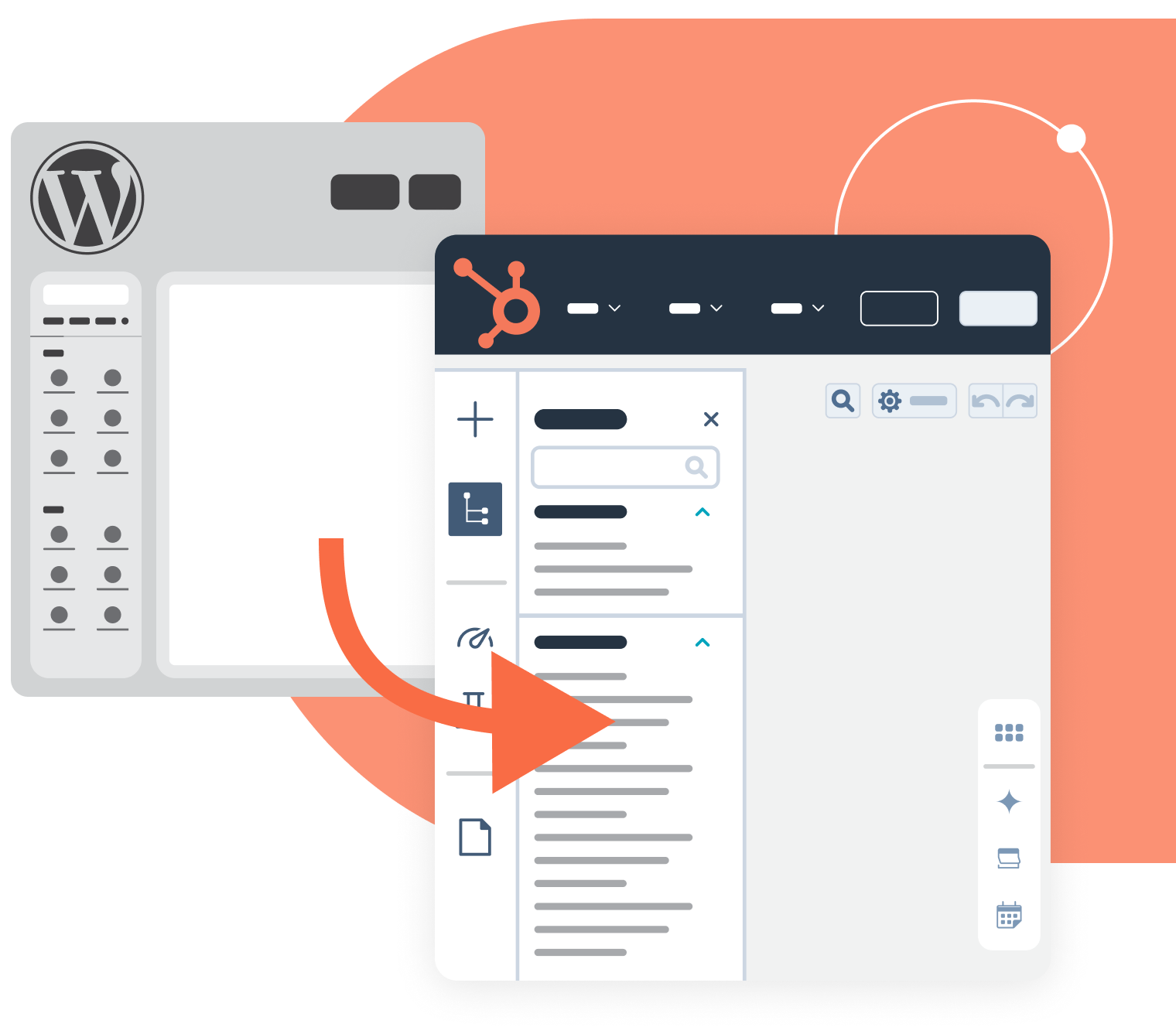
Your WordPress site probably runs on 20+ plugins. Each one adds code, slows the site down, and creates potential conflicts. Updates break things, security patches lag behind vulnerabilities, and managing it all becomes a full-time job. HubSpot removes plugin dependency entirely with core functionality built into the platform.
Disconnected data
WordPress has limited analytics, your CRM tracks leads, your email tool tracks engagement. None of it connects. HubSpot ties it all together so form submissions create contact records, page views attach to those records, and you see the full journey from anonymous visitor to closed deal in one system.
Editing limitations
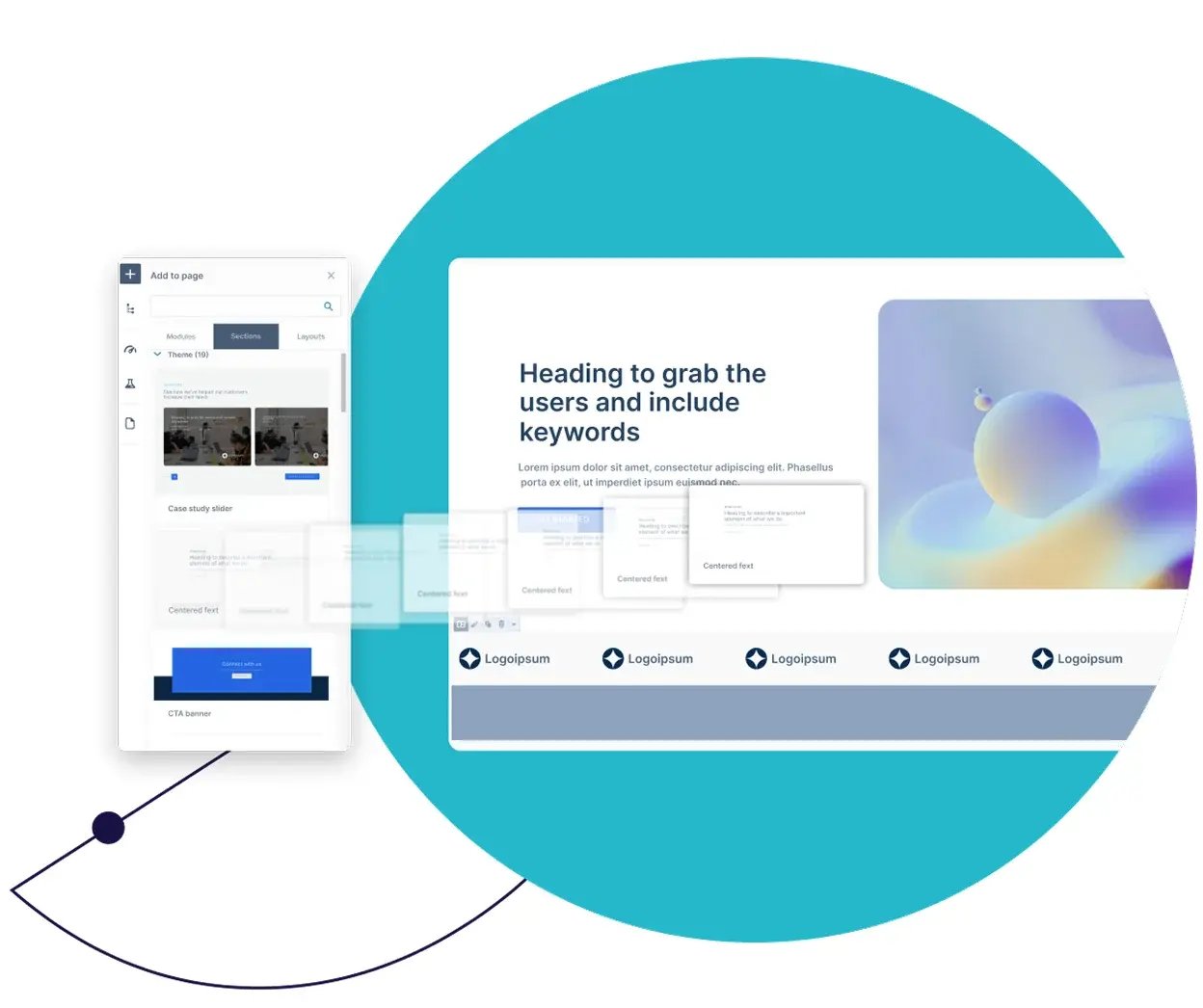
Making changes in WordPress means either learning how your theme works, installing a page builder plugin, or raising a ticket with your developer. HubSpot's drag-and-drop editor gives your team proper control to add sections, swap content, update CTAs, and publish changes instantly without code or developer tickets.
Performance issues
WordPress sites slow down over time through database bloat, unoptimised plugins, poor hosting, and outdated code. HubSpot's infrastructure is built for performance with global CDN, optimised delivery, and clean code so your site loads quickly without constant optimisation work.
Security and maintenance
WordPress core updates every few months, plugins update constantly, themes need updating, PHP versions change. Staying secure means staying on top of all of it or accepting the risk. HubSpot handles infrastructure, security, and updates with no patching, version conflicts, or security plugins to manage.
Marketing capabilities
WordPress doesn't do marketing automation, personalisation, or proper analytics natively. HubSpot is built for marketing with smart content that shows different messages to different segments, automation that triggers based on behaviour, A/B testing without plugins, and analytics that connect to revenue, not just traffic.