Lancaster Safety Work Thumbnail

Lancaster Safety Consulting

Rebuilding a safety consultancy’s website without interrupting the campaigns running on it

Industry

Professional Services

Location

United States

Services
Strategy Development Design Copy

About the project

Lancaster Safety Consulting has built a strong reputation in OSHA training, safety consulting and written safety programmes. As the business grew, its website no longer reflected the breadth of that offering. An ageing WordPress site carried thousands of legacy URLs and inconsistent content, and it sat apart from the paid search, tracking and CRM systems the business runs on.

That made it more than a user experience problem. Every campaign Lancaster ran had to work around the website rather than through it.

We rebuilt the site in HubSpot and connected it to the wider marketing stack, so paid search, call tracking, content and CRM data now work as one system.

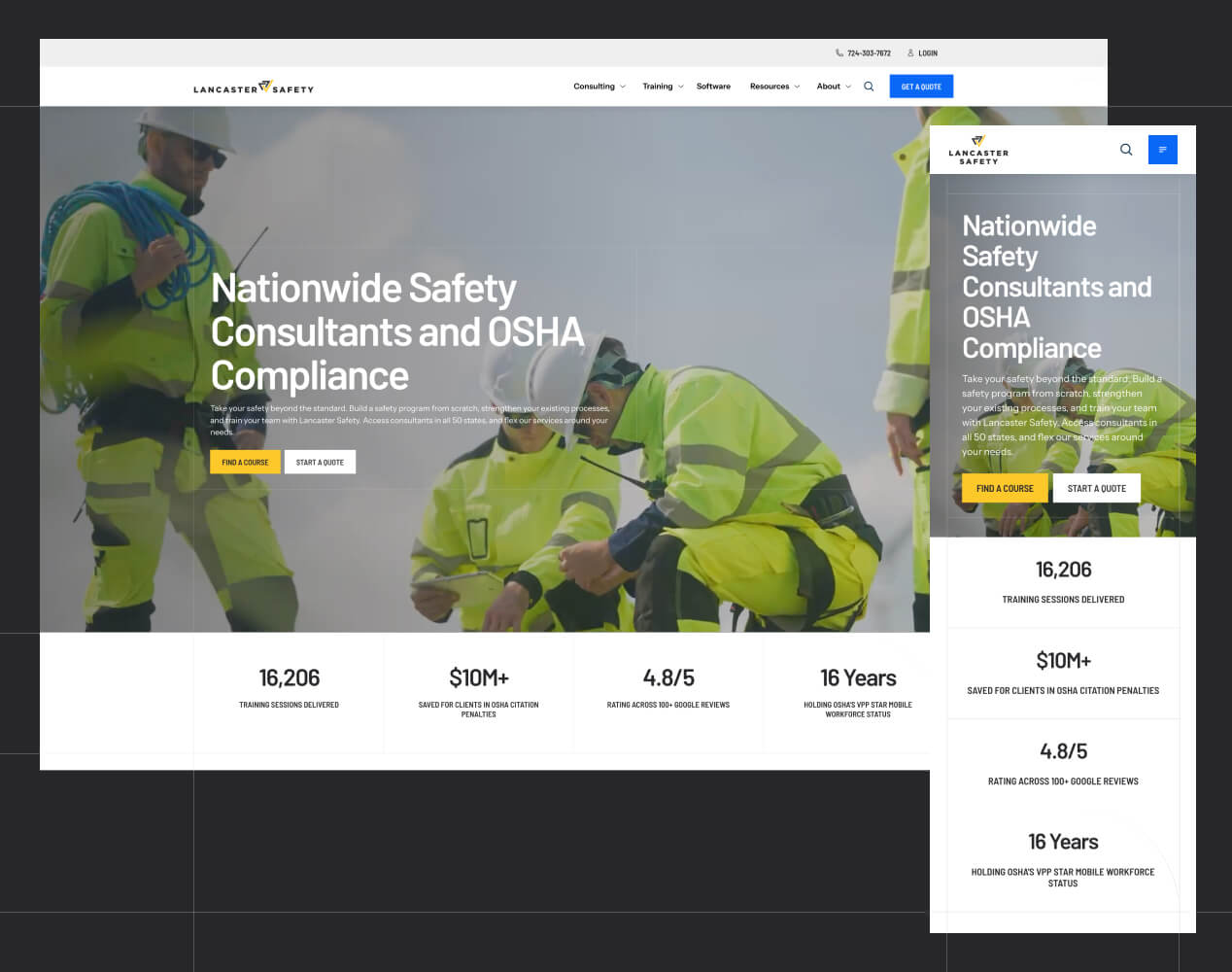
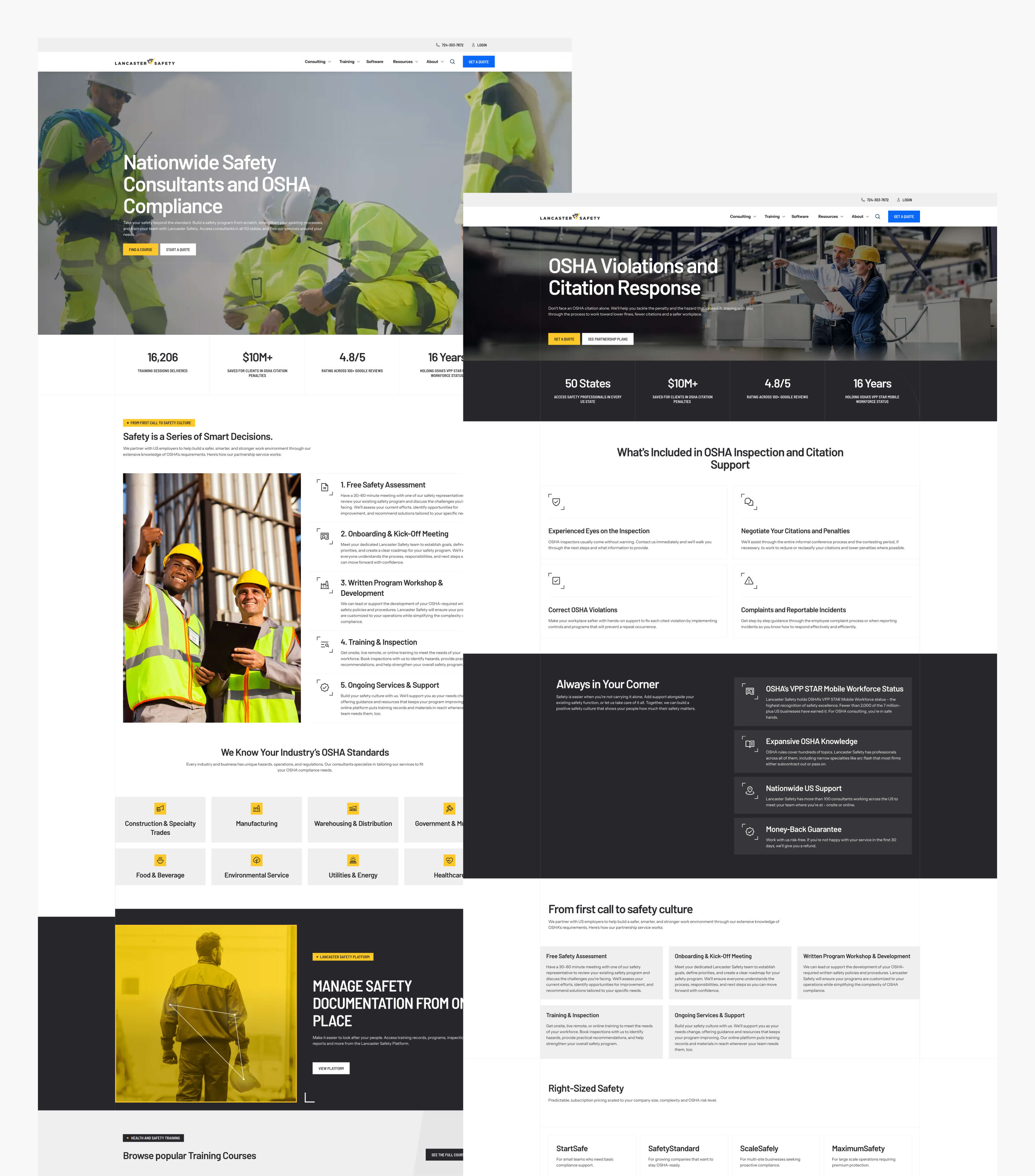
Lancaster Homepage-1

A website built around how customers actually buy

Lancaster's customers don't all arrive looking for the same thing. Some want OSHA training. Others need safety consulting, written programmes, webinars, resources or the safety management platform.

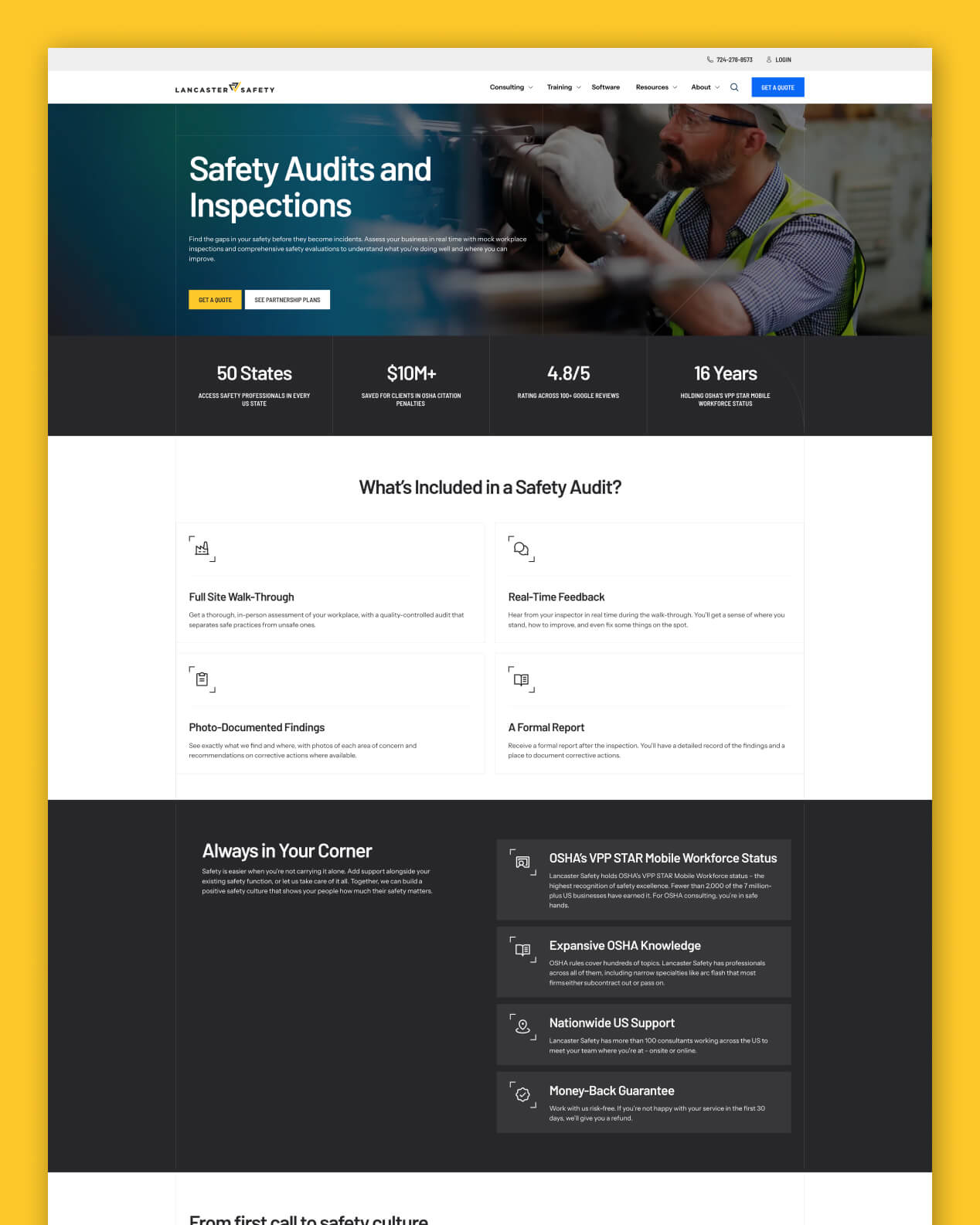
We restructured the site around those distinct needs, building clearer routes through each core service and a more obvious next step at the end of every one.

The restructure did a second job. Paid search campaigns gained destinations that actually match the query, so the intent behind a search meets the right content and the right conversion opportunity on the other side of the click.

Lancaster Occupational Health
Lancaster Technology Platform
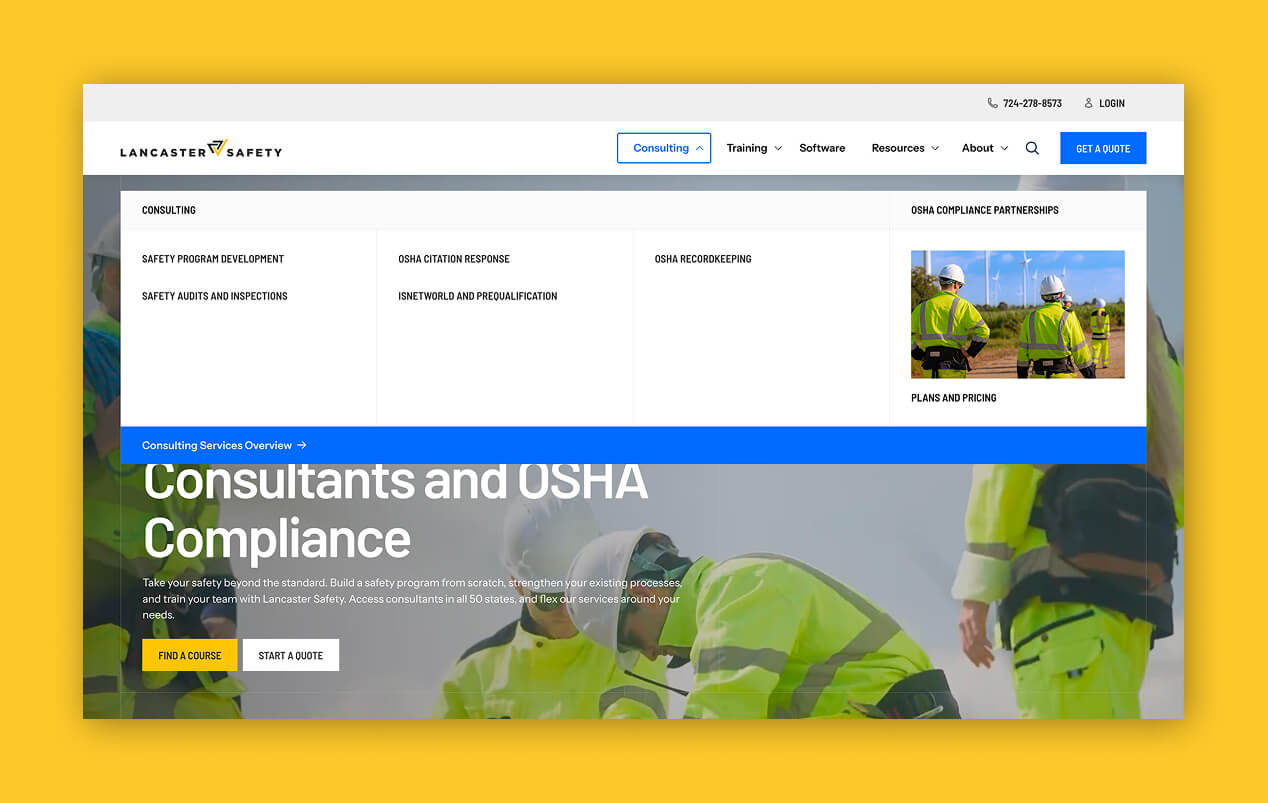
Lancaster Nav
Lancaster Technology Platform-1

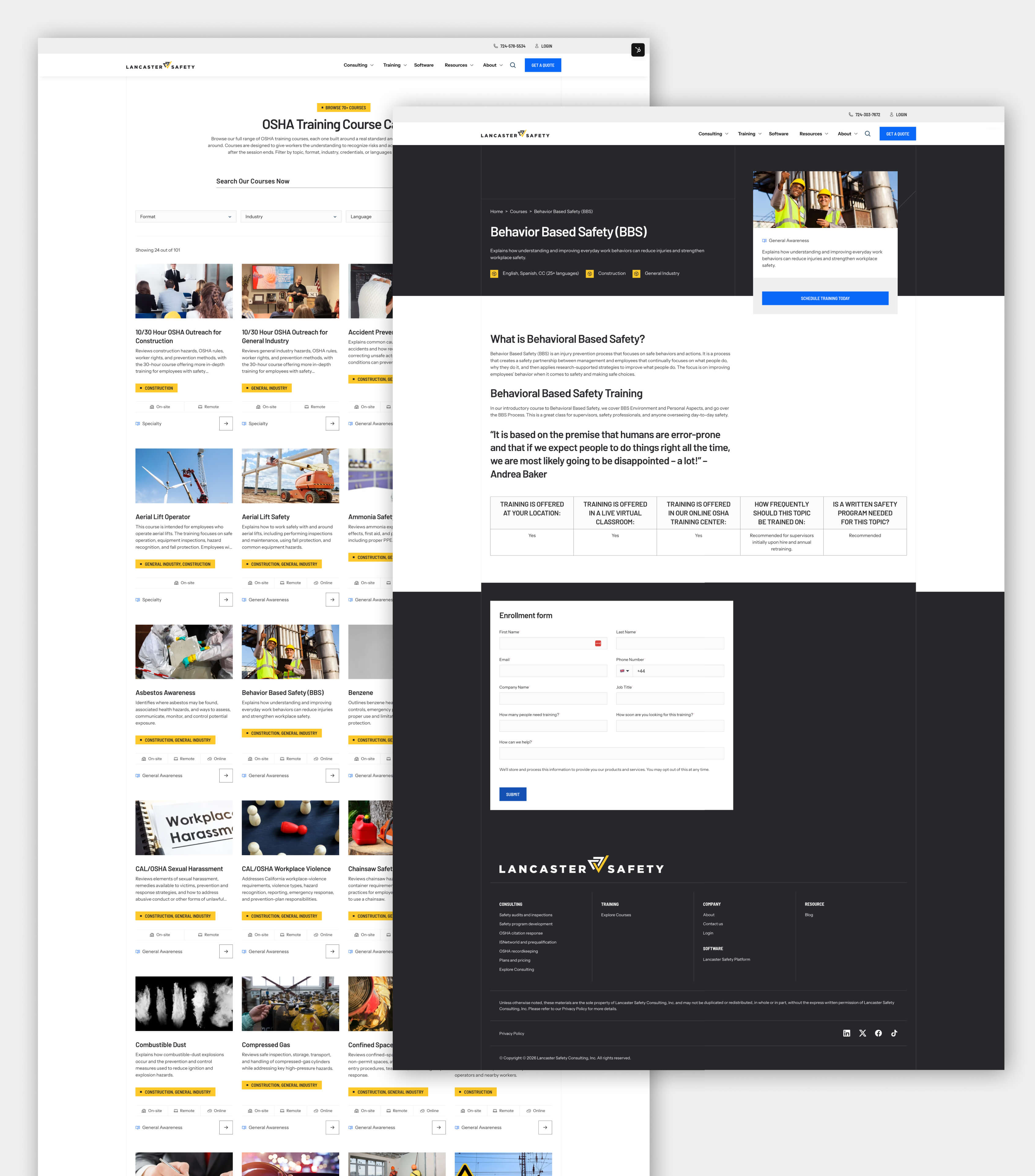
Turning a course catalogue into a system

Training is a significant part of what Lancaster sells, and managing course pages one by one was never going to scale.

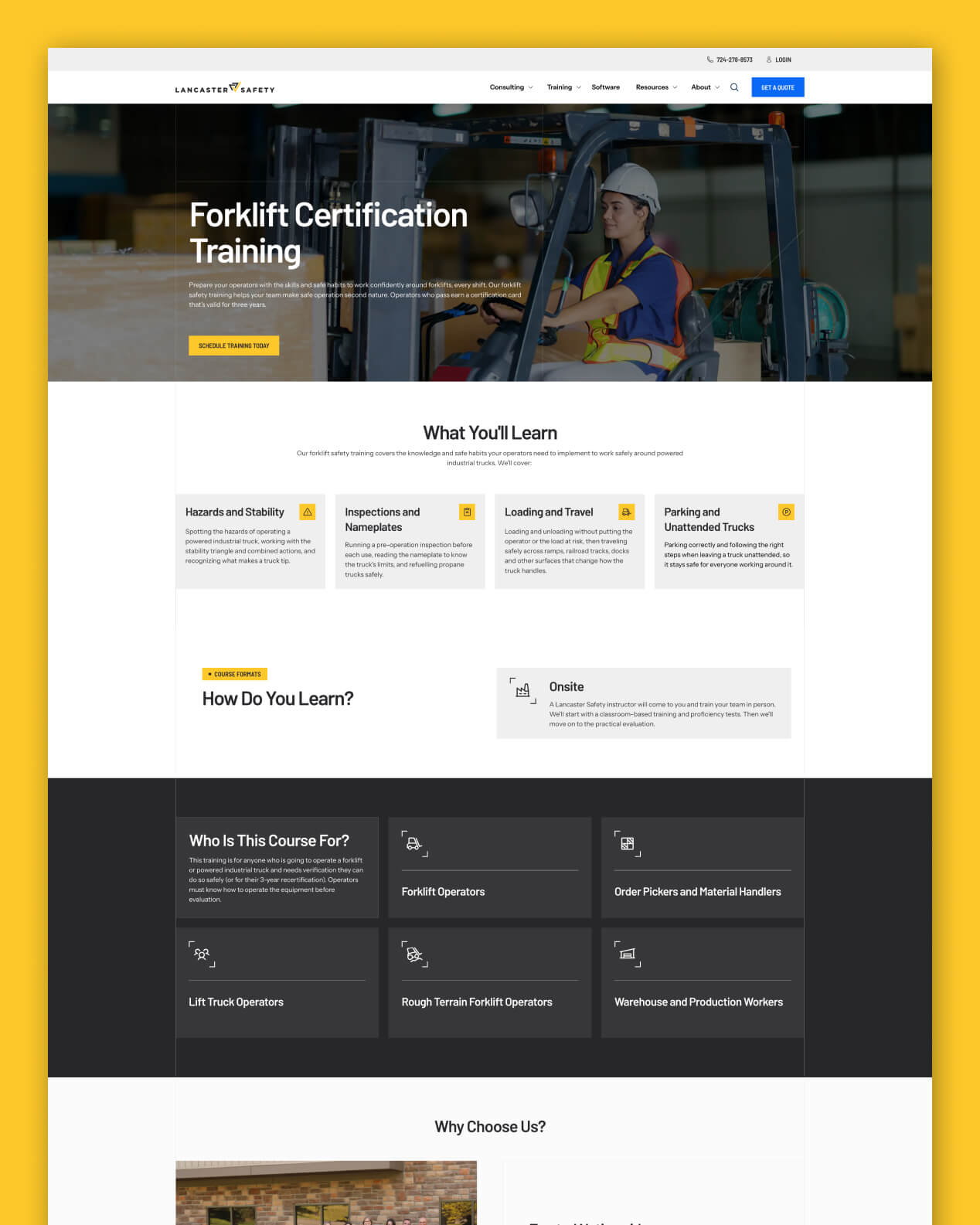
Course data now lives in HubDB: details, imagery and related information held in one place and surfaced wherever it's needed across the site.

Lancaster's team maintains a large and growing catalogue by editing a single source, rather than chasing dozens of separate pages.

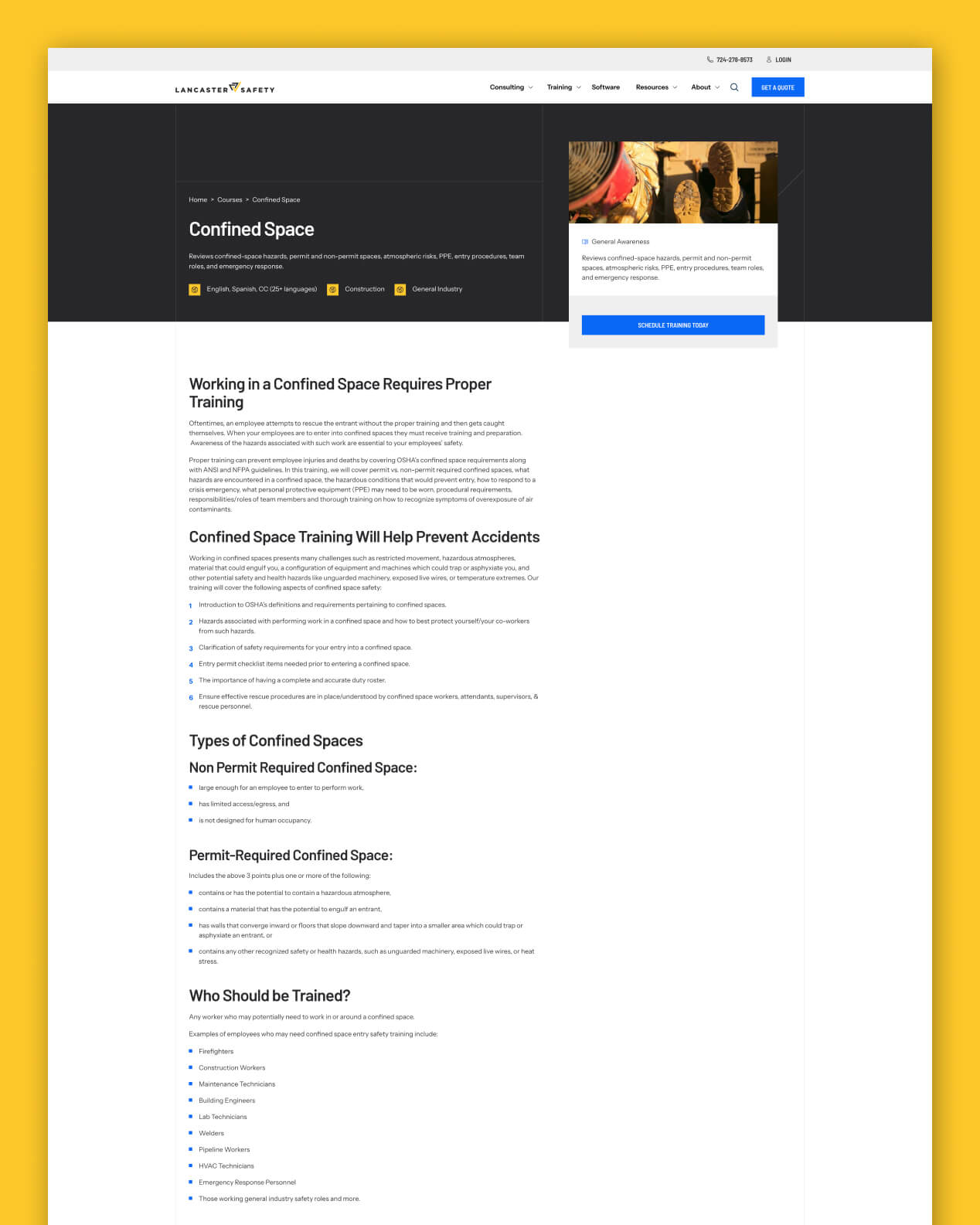
Lancaster Course listing and detail

Rebuilding without losing the history

A migration is rarely just about moving what's visible on screen.

Lancaster’s old site held more than 2,000 legacy URLs, client pages, company pages and written programme pages, accumulated over years of trading. Deleting them or redirecting them wholesale would have thrown away useful content and broken journeys people still use.

We worked through the structure page by page, deciding what to preserve, what to retire and where a redirect was needed. We put those redirects in place, then found and fixed the 404s.

The same pass covered forms, downloadable resources, navigation, staging and production environments, DNS and SSL.

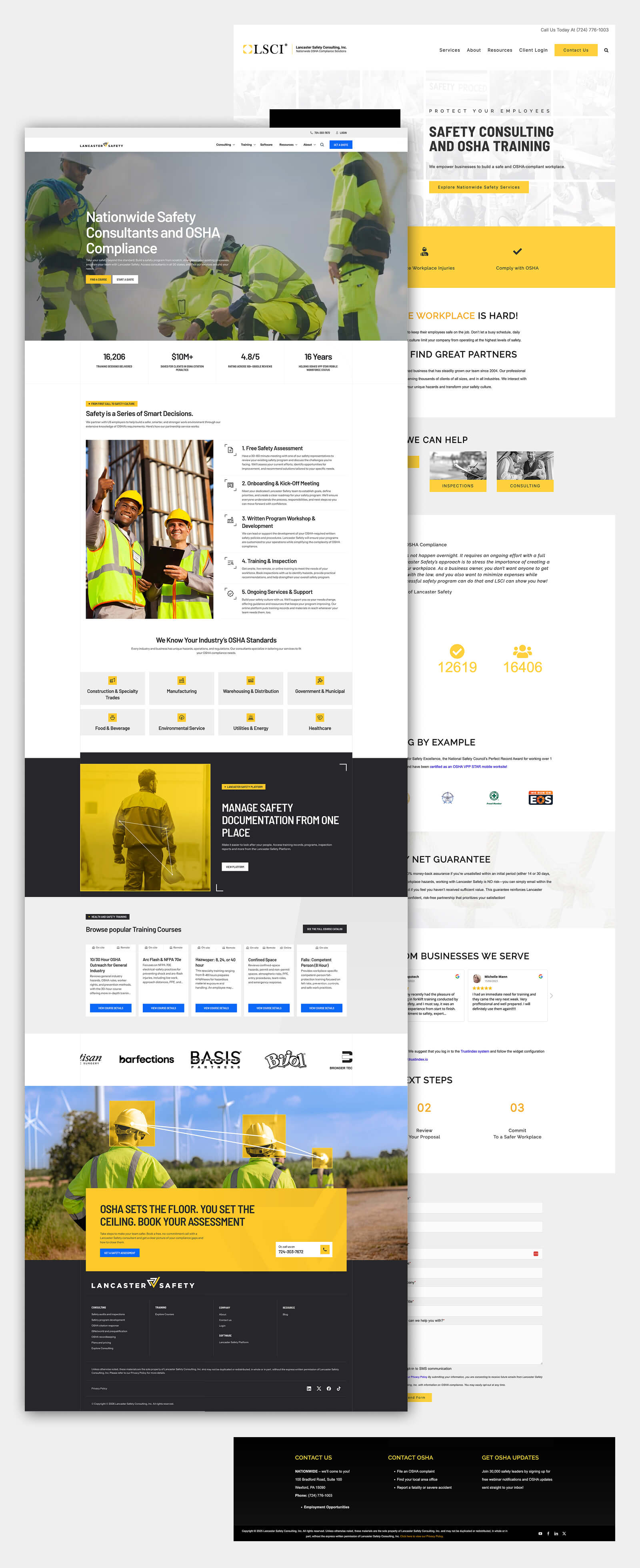
Lancaster Before and after

Keeping the marketing engine running

Lancaster had paid campaigns running throughout the migration. A broken landing page on launch day would not have been a bug to fix next week. It would have been ad spend going nowhere.

The business runs on Google Ads, Salesforce, HubSpot, CallRail and Power BI, so we integrated the website into that stack: forms submitting correctly, CallRail's dynamic number tracking working against hard-coded phone numbers, and campaign and ad group data flowing through to Salesforce and HubSpot.

Then we tested it repeatedly: landing pages, forms, redirects, tracking and phone numbers, during the migration rather than after it. Paid traffic had to land on live, relevant pages, not redirect chains.

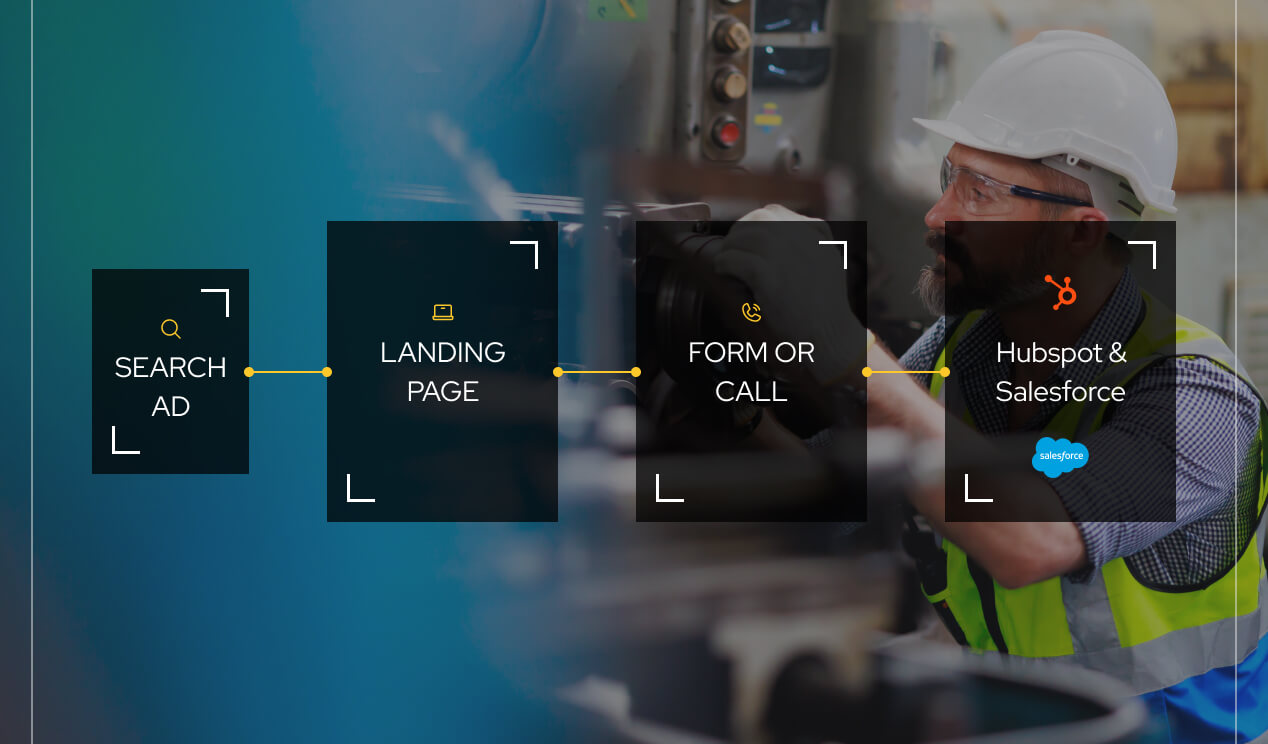
Someone clicking a paid ad now reaches more than a better page. The whole path, from search to landing page to enquiry to CRM, runs on a foundation that holds.

Lancaster Journey diagram
Lancaster-landing pages