

Ready to adapt your strategy for the AI era?
Speak with our team to explore how we can optimise your marketing strategy for AI-powered buyers.
Your website traffic is declining, your cost per lead keeps climbing, and more buyers are finding their answers in ChatGPT before they ever land on your site. The B2B marketing landscape has shifted dramatically, and traditional tactics aren't delivering the results they used to.
At Inbound 2025, HubSpot introduced Loop Marketing as their response to these challenges. For existing HubSpot users, understanding Loop matters because it fundamentally changes how you should think about go-to-market strategy in 2026 and beyond.
Loop Marketing is HubSpot's four-stage approach to marketing in an AI-powered world. Rather than following a linear buyer journey, Loop uses a continuous cycle represented by an infinity symbol. It's an ongoing process that adapts as your market and buyers evolve.
The four stages are Express, Tailor, Amplify, and Evolve. Each represents a behaviour you should adopt throughout your marketing efforts, not a sequential step you complete and forget about.
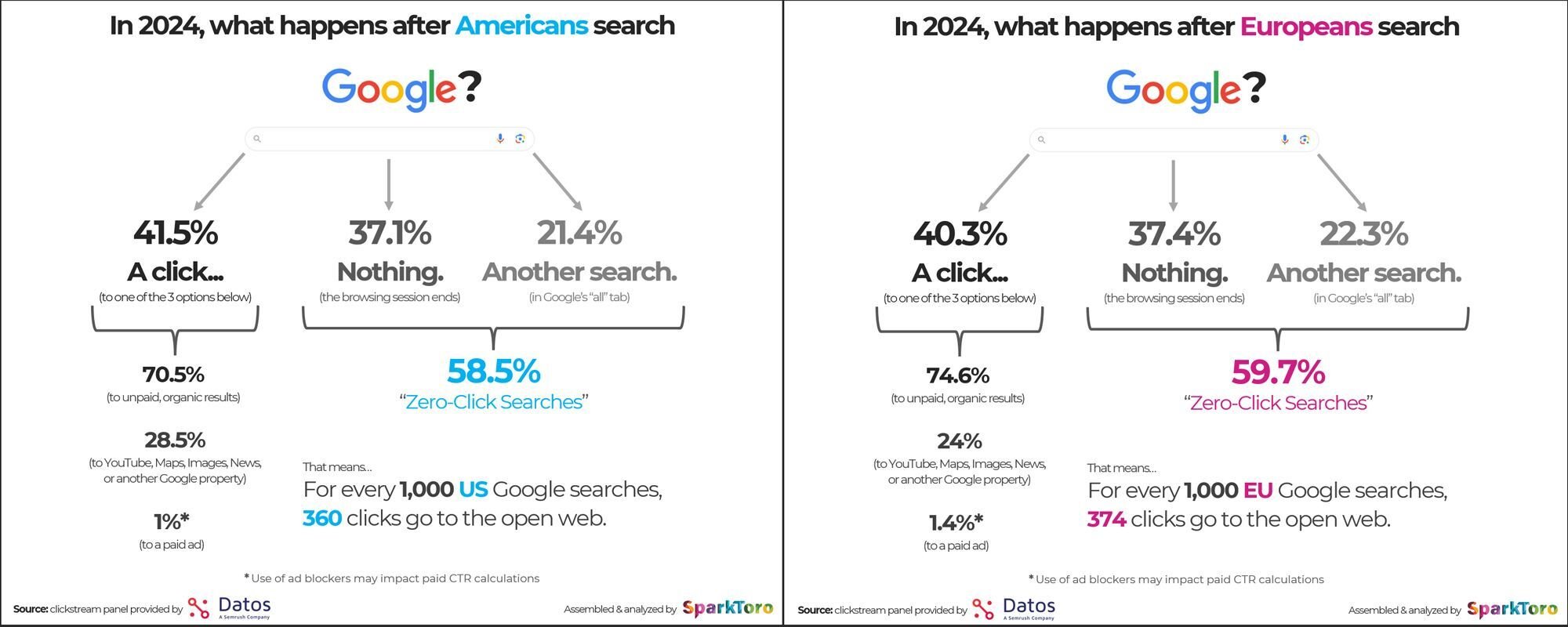
Loop was created because buyer journeys have become less linear and less visible, and AI has fundamentally disrupted both how buyers find information and how marketers create content. Nearly 60% of Google searches now result in zero clicks, and buyers spend increasing time in channels beyond traditional search.
Express is about teaching AI to create content that sounds like you. This means giving AI a clear understanding of:
The quality of content AI produces depends on the quality of information you give it. If you feed AI vague descriptions, you'll get generic content back. But when you provide detailed buyer personas, specific value propositions, and clear examples of your brand voice, AI can create content that genuinely reflects your expertise.
Tailor focuses on personalisation using the data in HubSpot. This isn't about generic segmentation based on company size or industry. It's about creating genuinely personal experiences.
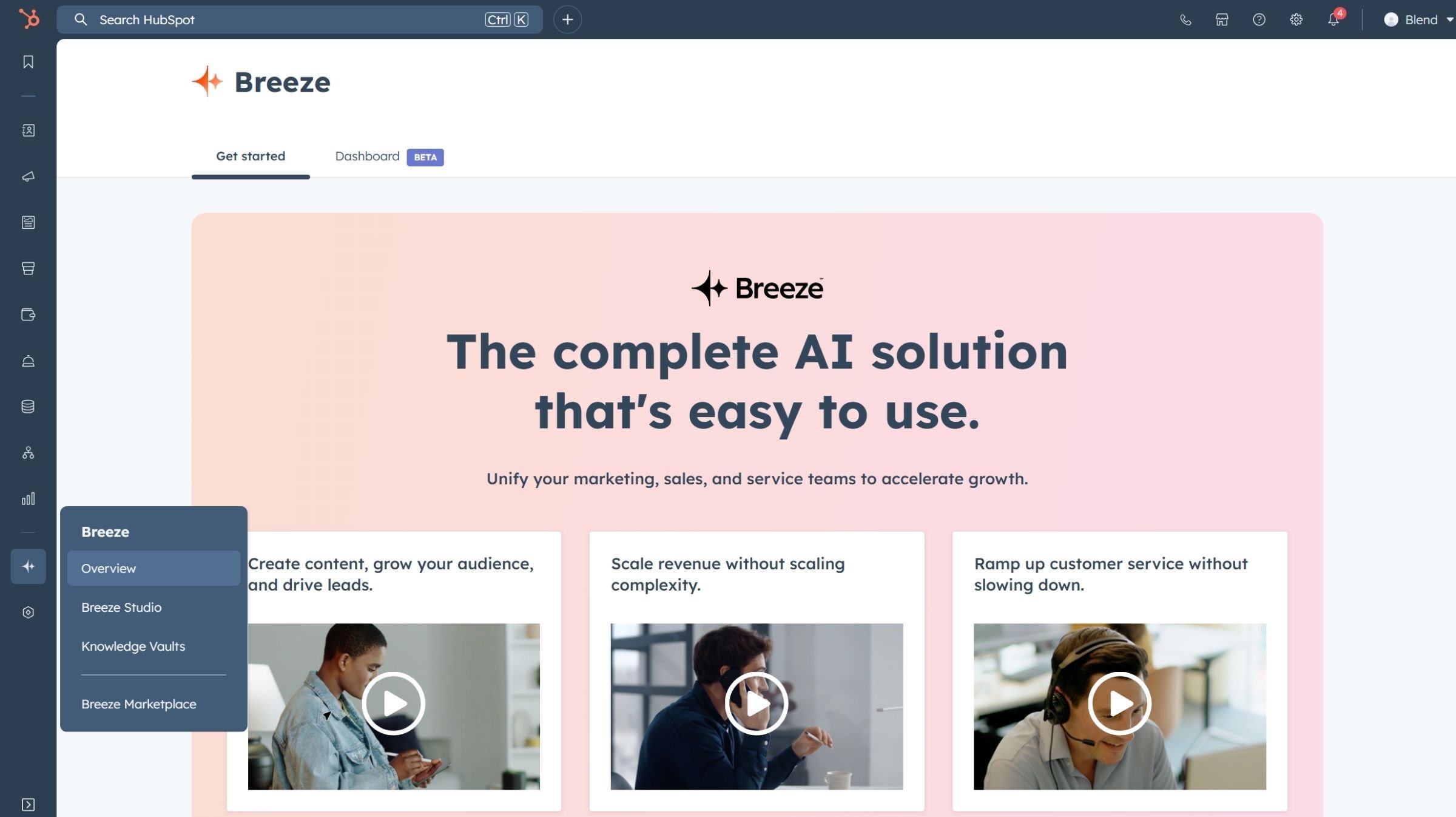
Start with data enrichment using tools like Breeze to build more complete customer profiles. Then create intelligent segments based on buyer intent, pain points, or stage in the buying journey rather than simple demographic filters. A CFO frustrated with their current vendor needs different messaging than a CFO exploring options for the first time.
Use that segmentation to personalise what buyers see on your website and in your communications. HubSpot has reported strong results from personalising emails this way, with impressive conversion improvements. The key is that personalisation feels relevant and helpful, not obviously automated.
Amplify acknowledges that your buyers aren't all on Google anymore. They're scattered across YouTube, LinkedIn, Reddit, Slack communities, and podcasts. If you're only optimising for search, you're missing the majority of your market.
This stage requires understanding where your specific buyers actually spend time. For some B2B companies, that's YouTube. For others, it's niche communities or LinkedIn. The challenge is that different businesses need different channel strategies based on where their buyers are.
HubSpot emphasises using AI to repurpose content efficiently. Record one foundational piece of content, like a video, then use AI to adapt it for different channels. Extract audio for podcasts, generate transcripts for blog posts, pull quotes for social media. Without AI, this would multiply your effort tenfold. With AI, you can maintain presence across multiple channels without burning out your team.
Evolve is about continuous testing and iteration. What worked last quarter might not work this quarter, and rigid annual plans are increasingly ineffective.
Bring AI into your analytics so you can respond to early signals faster. Run quick tests on messaging, channels, and content formats. The goal is to fail fast, learn from what didn't work, and iterate quickly.
It's also about developing a culture that embraces experimentation and is comfortable with uncertainty. Teams that succeed with Loop Marketing view every campaign as a learning opportunity, document what they learn, and continuously refine their approach based on evidence rather than assumptions.
Loop doesn't replace Inbound, it builds on it. The principles of creating valuable content and generating inward interest remain sound. What's changed is the execution.
The Inbound methodology described a linear buyer journey with clear stages: attract, engage, and delight. It prescribed specific tactics like blogging, landing pages, ebooks, and email nurturing.
Loop Marketing is deliberately different:
This tactic-agnostic approach is essential because businesses are too different now in terms of where their buyers are, how they can be reached, and where their opportunities lie.
Here's what Loop Marketing actually is: a set of behaviours you should adopt throughout your marketing efforts.
Express isn't just something you do once at the beginning. You'll need to express your brand through AI at multiple points as you create content for different channels. Tailor isn't limited to emails after you've generated leads; you should be thinking about tailoring content to segments throughout the buyer journey. Amplify isn't a one-time push; it's an ongoing effort to maintain visibility. And Evolve isn't a quarterly review, it's continuous.
When you think of the four stages as behaviours rather than sequential steps, Loop Marketing makes more sense.
Loop doesn't provide a go-to-market strategy; it shows you how to optimise whatever strategy you choose. You need to know your ICP extremely well, understand your positioning clearly, and know where you will and won't play.
Without that strategic foundation, Loop is just a framework with nowhere to point. With your strategy in place, Loop shows you how to execute more effectively.
Your buyers are active in more channels than ever, but that doesn't mean you need to be everywhere. Identify which channels actually matter for your business:
A practical tip: if you start content creation by recording video, you gain maximum repurposability. Video footage works on YouTube and in advertising, audio can be extracted for podcasts, and transcripts can drive AI content creation for written formats. This aligns perfectly with the Amplify stage.
Here's a counterintuitive reality: your website will get fewer visits, but each visit will be more valuable. Buyers coming from AI-powered search are roughly four times more likely to convert than traditional search traffic.
Your website experience needs to be optimised ruthlessly for conversion. Remove anything superfluous, research best practices for your industry, and make it easy for qualified visitors to take the next step. In a world where you're getting fewer but better visits, every visit matters more than it used to.
Loop Marketing requires rethinking how you measure success. More research happens in channels you can't fully measure, and impressions are diverging from clicks. A piece of content might be incredibly valuable in influencing buyer perception even if it generates few clicks.
The metrics that mattered in the Inbound era don't all matter equally now. It's time to dial down the importance you place on keyword rankings, ad click-through rates, overall traffic numbers, and lead volume. These metrics still have value, but they're less predictive of success than they used to be.
Instead, dial up your focus on engagement metrics like video watch time, content shares, and community participation. Pay attention to share of voice in your market, branded search volume, high-intent lead quality, and customer acquisition cost. These metrics better reflect whether your Loop Marketing efforts are actually influencing buyers and driving business results.
Loop Marketing represents a significant evolution in HubSpot's approach to go-to-market strategy. For existing HubSpot users, Loop builds on principles you already understand. You're still creating valuable content and focusing on inbound interest. The difference is in how you execute that strategy, given where buyers actually are and how AI can help you reach them more effectively.
The key to success is understanding that Loop isn't a rigid framework to follow but a set of behaviours to adopt. Express your brand authentically through AI, tailor experiences wherever possible, amplify your presence across the channels that matter to your buyers, and evolve constantly based on what you learn.
Speak with our team to explore how we can optimise your marketing strategy for AI-powered buyers.


.jpg)